Agriculture
Investing in a plantation: rubber, cocoa, oil palm… what to check
Land document, tree age, actual yield, management: the key points before investing in a farm.
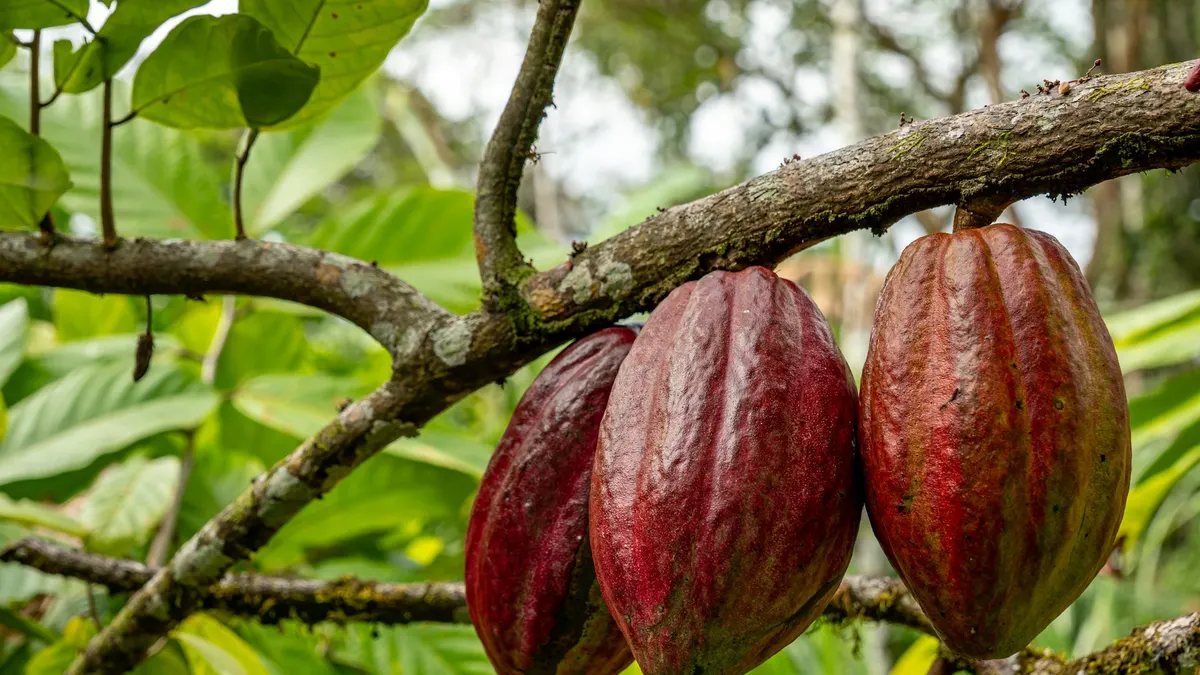
Côte d’Ivoire is a great agricultural land: the world’s leading cocoa producer and a major producer of rubber, cashew nuts, palm oil and coffee… Buying a plantation that is already in production can bring in income from the first season and build solid family wealth.
But a farm must be bought with as much care as a house, and sometimes more: rural land has its own rules, yields depend on many factors, and distance makes checks harder. Here are the key points to check.
1. The land document
In rural areas, land is very often held under custom, by a family or a village community. The law on rural land organises the move from these customary rights to official documents.
The reference document is the land certificate, issued under the procedure run by AFOR (the Rural Land Agency). It can later be converted into a land title.
Before buying:
- ask for the land certificate or land title, and have it checked;
- if the land has no document yet, find out how far any procedure has got, and weigh the risk;
- meet the family or village that holds the rights: the agreement of the “head of the family” alone is not always enough;
- have the deed drawn up by a notary.
A village certificate or a simple signed receipt is not a title of ownership. It can be a starting point, but not a guarantee.
An important point
The law regulates who can own rural land. Depending on your situation (nationality, individual or company), the rules may differ, and other legal arrangements may be considered, such as a long-term lease. Ask the notary before you commit.
2. The age and condition of the trees
A plantation’s value depends heavily on the age and condition of its trees.
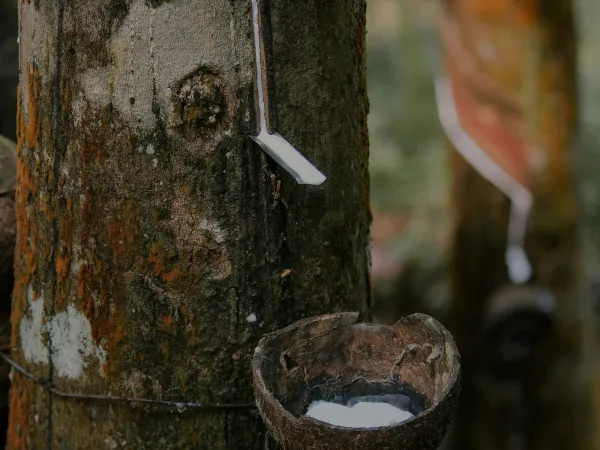
Rubber
- Tapping generally starts after several years of growth.
- A plantation stays productive for many years, but yields vary with age, the clone planted and the quality of tapping.
- Look at the tapping panels: poor tapping damages trees for a long time.
Cocoa
- Cocoa trees start producing after a few years, with a peak followed by a decline with age.
- Diseases, notably swollen shoot, can destroy a plantation: have it examined by someone who knows.
- Shade, upkeep and pruning have a big effect on yield.
Oil palm, cashew, coffee…
Each crop has its own cycle. Ask for the planting year and the variety, and check the actual condition during the visit.
Visit with an agricultural technician or an experienced local planter. Their opinion is often worth far more than it costs.
3. Actual yield
The seller will often quote a yield. Ask for proof:
- sales receipts from recent seasons (cooperative, buyer, factory);
- delivery books for rubber;
- the number of trees and the area actually planted, not just the total area.
Compare with neighbouring plantations of the same age. A yield far above average must be justified.
4. Area and boundaries
As with a plot in town, have the land surveyed by a surveyor. Farm boundaries are often set by natural markers (river, tree, track) that can be disputed.
Also check that the planted area matches what is advertised: a “20-hectare” farm may have only 12 hectares actually planted.
5. Access, facilities and labour
These make a big difference to returns:
- a track usable all year round, including in the rainy season, to get the crop out;
- the distance to the point of sale or the factory;
- a camp for workers and a storehouse for inputs and the harvest;
- a trained workforce available locally, and the terms of their employment;
- access to water.
6. Neighbours and history
Ask the neighbours, the traditional chiefs and the cooperative:
- has the plantation ever been the subject of a dispute?
- are there people working it today (sharecroppers, labourers) and what are their arrangements with the owner?
- are there ongoing contracts with a cooperative or a buyer?
Crop-sharing arrangements, which are very common, must be clarified before the sale.
7. Plan management after the purchase
A plantation needs regular presence: upkeep, treatment, harvesting, selling. If you don’t live on site, plan for:
- a trustworthy manager, with a clear contract;
- regular monitoring with photos, videos and figures;
- selling through a cooperative or a known buyer, with traceable payment.
In short
- A checked land document and the agreement of all rights holders.
- The age, variety and health of the trees checked on site.
- Yield proven by receipts.
- A surveyed plot, with the planted area checked.
- Access, facilities and labour assessed.
- Management organised before you even sign.
On BORI IMMO, every farm listing shows the crop, its age, the stated yield and the land document. Our advisors arrange the visit, in person or by video, and put you in touch with a notary to secure the purchase.