Strategies
Building to let: the investor’s guide
Land, type of homes, budget, remote building site, letting: the steps to a successful rental project.
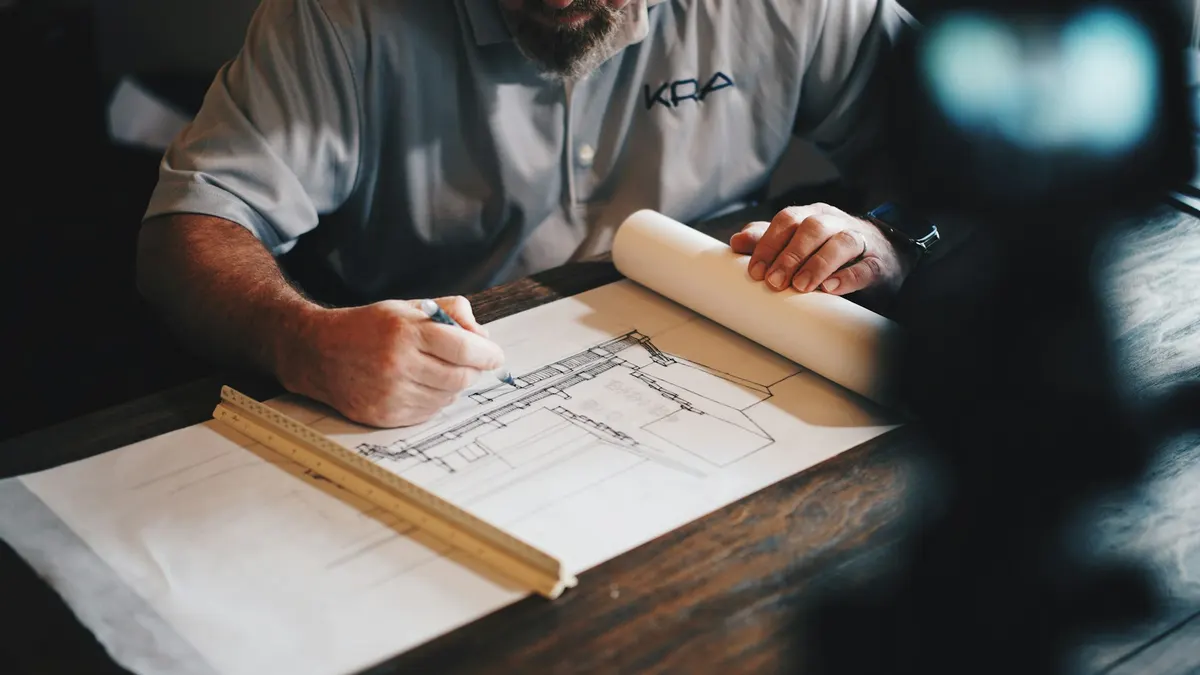
Building homes to let is one of the most common ways to invest in Côte d’Ivoire. Many landlords started with two or three studios in the family compound before expanding. Done well, such a project creates a lasting income. Poorly prepared, it can turn into an endless building site that swallows your savings.
Here are the steps to give yourself every chance of success.
This advice is general and does not replace the opinion of an architect, a notary or a financial adviser for your project.
1. Start from demand, not from your own tastes
The first question is not “what would I like to build?” but “what are people in this neighbourhood looking to rent?”.
Find out on the ground:
- which homes let fastest: studios, two-room, three-room apartments, single-storey villas?
- who the tenants are: students, young workers, families, civil servants, expatriates?
- what rents are charged, and how long homes stay empty?
- what tenants expect: individual meters, parking, security, hot water, a kitchen?
A home suited to demand lets quickly and keeps its tenants for a long time.
2. Secure the land
Before laying the first brick:
- the land must have a solid document, checked, preferably in your name;
- it must be surveyed and its boundaries undisputed;
- if it is family land, the family’s written agreement is essential to avoid future disputes;
- check the planning rules for the area (height, footprint, setbacks).
Building on disputed land means risking everything.
3. Have the project designed by professionals
An architect designs plans suited to the land and to demand, and prepares the building permit application. A structural engineering firm may be needed for a multi-storey building.
Think about letting from the design stage:
- individual meters for water and electricity in each unit;
- good ventilation to limit air conditioning;
- easy-to-maintain materials;
- the option to extend later (an extra floor allowed for in the structure).
4. Draw up a realistic budget
Have the project costed by trade: structure, roof, joinery, plumbing, electrics, finishes, utility connections. Add:
- the architect’s and engineers’ fees;
- the building permit and administrative costs;
- water and electricity connections;
- a contingency margin, which is essential.
It is often wiser to build in phases: finish and let a first part, then use the rent to finance the rest, rather than leaving a large building unfinished for years.
5. Choose the contractor and supervise the site
- Ask for several detailed quotes and compare them line by line.
- Visit sites already completed by the contractor.
- Sign a written contract: price, deadlines, quality of materials, penalties.
- Pay in stages, against proof of progress, never everything up front.
- Buy the main materials yourself if you can check them, or insist on invoices.
If you live abroad
- Appoint a project manager or a trustworthy person independent of the contractor to check the works.
- Insist on dated photos and videos at each stage, and live video visits.
- Only release payments after checking.
6. Let the homes
Once the homes are finished:
- set a rent in line with the neighbourhood;
- choose tenants carefully (employment, references);
- sign a written lease and do a check-in inventory with photos;
- plan the deposit and advance rent in line with local practice and current regulations.
7. Manage over the long term
Returns are made over time: rent collected regularly, well-maintained homes, satisfied tenants who stay. If you cannot manage it yourself, entrust management to a reputable agency that sends a monthly report.
In short
- Build what the neighbourhood is asking for.
- Secure the land above all.
- Have the project designed by professionals, with a permit.
- A realistic budget, phased construction, staged payments.
- Independent supervision of the site, especially from a distance.
Looking for land for a rental project? Browse the plots on BORI IMMO: every plot’s actual document is shown. Our advisors can also point you to professionals for the next steps.