Getting started
Diversifying your property portfolio: don’t put all your eggs in one basket
Property types, cities, time horizons: how to spread your investments to reduce risk and build solid wealth.

Many investors start with a single property: a plot, then a house. That is normal. But as your wealth grows, a question arises: should you keep going in the same direction, or diversify? Spreading your investments reduces risk and gives a better balance between income and growth in value.
This advice is general and is not personalised investment advice. Every situation is different.
Why diversify?
Each type of property has its own risks:
- land earns nothing until it is built on, and can be the subject of a dispute;
- a building depends on local rental demand;
- a furnished rental depends on the seasons and business travel;
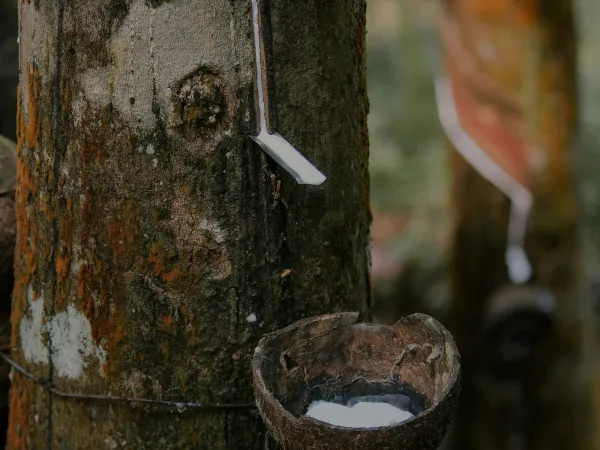
- a plantation depends on crop prices and the weather.
By combining several types of property, a problem with one doesn’t endanger all your wealth.
Diversify by property type
There are three broad families:
- Growth assets: land in developing areas. Little income, but potential for capital gains.
- Income assets: let homes, buildings, shops, furnished rentals. Regular income.
- Productive assets: plantations and agricultural estates. Income linked to production.
A balanced portfolio often combines one growth asset with one or more income assets.
Diversify by location
Investing in a single neighbourhood, or a single city, exposes you to local hazards: a new road project that diverts traffic, falling demand, flooding. Spreading your properties between:
- Abidjan and its outskirts, where demand is strong but prices are high;
- the major cities of the interior (Yamoussoukro, Bouaké, San-Pédro, Korhogo, Daloa…), often more affordable;
- rural areas for plantations;
… balances entry price, yield and potential.
Diversify over time
You don’t need to buy everything at once. Investing in stages lets you:
- learn from each transaction;
- use the income from the first property to finance the next;
- seize opportunities over the years.
An example path
Here is a common path, to adapt to your situation:
- Buy land with a solid document in a developing area.
- Build a first part to let on it, or buy a small home that is already let.
- Reinvest the rent in a second property of another type or in another city.
- With experience, consider an income building or a plantation in production.
The limits of diversification
- Too many scattered properties can become hard to manage, especially from a distance.
- Each new type of property means learning its rules: rural land, rental management, furnished letting.
- Diversification doesn’t replace checks: every property must have a verified document and a sensible price.
Two well-chosen, well-managed properties are better than five bought too quickly.
In short
- Diversifying reduces risk and balances income and growth in value.
- Combine property types, locations and stages over time.
- Move at your own pace, reinvesting the income.
- Apply the same rigour to every purchase: document, price, management.
On {site_name}, you will find plots, villas, buildings, furnished rentals, estates and plantations all over Côte d’Ivoire. An advisor can help you build your strategy on WhatsApp.