Getting started
The 8 costly mistakes real estate investors make
Unverified documents, underestimated budgets, poor locations, unsupervised building sites: the most common mistakes and how to avoid them.
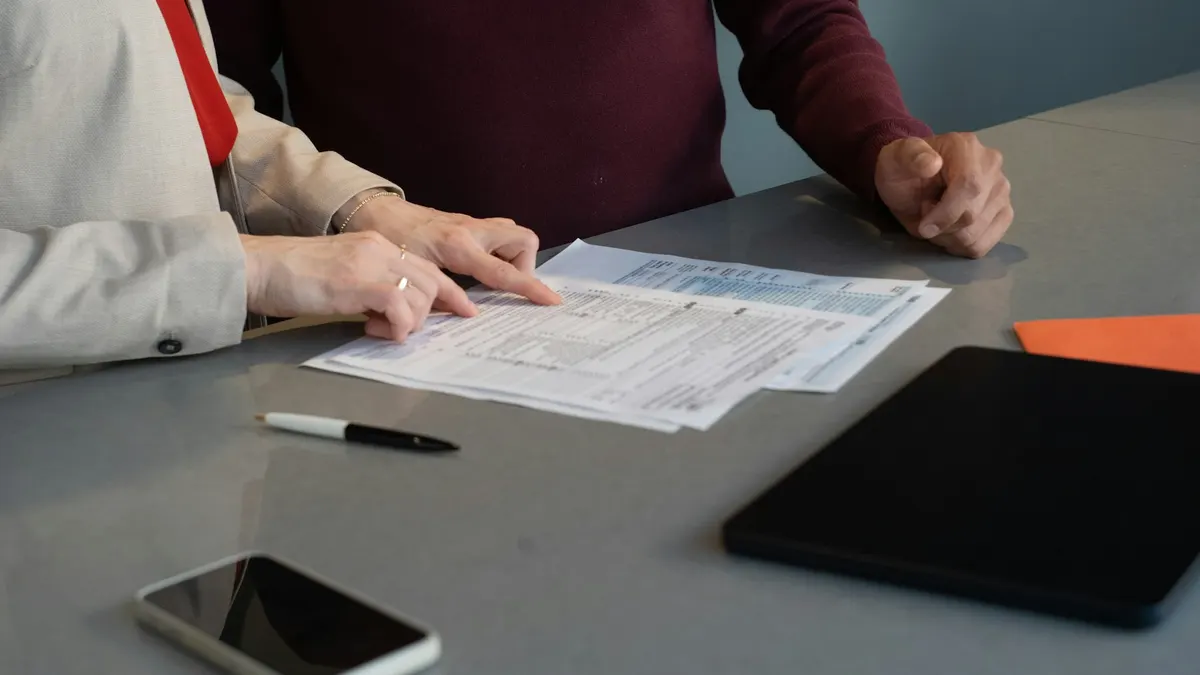
We learn a lot from our mistakes. In real estate, it is better to learn from other people’s: they often cost millions, and sometimes years of legal proceedings. Here are the mistakes our advisors see most often among investors, beginners and experienced alike, and simple ways to avoid them.
This advice is general. For any major decision, get support from a notary and, if needed, a financial adviser.
Mistake no. 1: investing without a clear goal
Buying “because it’s a good deal”, without knowing whether you want income, a capital gain or wealth to pass on, often leads to an unsuitable property: land that earns nothing when you needed income, or a building that is too heavy to manage.
How to avoid it: write down your goal, your time horizon (5, 10 or 20 years) and the time you can give the project. Then choose the strategy that matches it. Our article “Investing in real estate: where to start?” will help you make that choice.
Mistake no. 2: paying before checking the document
This is the most serious and most common mistake. Land sold to several people, a seller who is not the owner, a lot outside an approved subdivision: an unverified document can wipe out the whole investment.
How to avoid it:
- always ask for the document (land title, ACD, land certificate…) before any discussion of price;
- have it checked by a notary with the official offices;
- pay at the notary’s office, never in cash to an intermediary.
Mistake no. 3: looking at the price, not the total cost
The advertised price is only part of the outlay. Notary fees, registration duties, title transfer, boundary survey, works, furniture, the procedure if the document is not final: the real cost can be considerably higher.
How to avoid it: ask for written quotes and work out the total cost before committing. Always keep a reserve for contingencies.
Mistake no. 4: overestimating income
Calculations done “on paper” often assume the home is let every month, with no unpaid rent and no repairs. Reality is different: vacant periods between tenants, late payments, maintenance, major works.
How to avoid it:
- calculate the net yield, not just the gross yield;
- check the rents actually collected for a property that is already let;
- test a cautious scenario: the project must still work even if not everything goes to plan.
Mistake no. 5: neglecting location
A beautiful building in the wrong place is hard to let and hard to sell. On the other hand, a simple property in a sought-after neighbourhood always finds a taker.
How to avoid it: study local demand (who rents, at what price, how long homes stay empty), access, services, safety and flood risk. Visit at different times of day and, if possible, in the rainy season.
Mistake no. 6: starting a building site without supervision
Building from a distance by sending money to a relative or a contractor, with no contract and no checks, often leads to overruns, poor workmanship or abandoned sites.
How to avoid it:
- have the project designed by an architect, with a building permit;
- sign a written contract with the contractor;
- pay in stages, against proof of progress;
- have the site checked by someone independent of the contractor, with dated photos and videos.
Mistake no. 7: putting everything into one project
Investing all your savings, or borrowing to the maximum, in a single property exposes you to significant risk: one dispute, one defaulting tenant or one unexpected repair, and your whole financial situation is weakened.
How to avoid it: keep a safety reserve, move step by step (one property, then a second), and diversify property types and locations where possible.
Mistake no. 8: forgetting management after the purchase
A real estate investment does not end at signing. Unwatched land that gets occupied, poorly maintained homes, rents not followed up, a plantation without a manager: lack of management destroys returns.
How to avoid it: organise management before you buy: who collects the rents, who does the repairs, who watches over the land, who reports to you and how often. If you delegate, insist on regular written reports.
In short
- A clear goal and a suitable strategy.
- The document checked before any payment, and payment at the notary’s office.
- The total cost and the net yield, with cautious assumptions.
- A good location, a supervised building site, organised management.
- A safety reserve and step-by-step progress.
{site_name}’s advisors support you at every step: choosing the property, checking the document with the notary, visiting on site or by video. Message us on WhatsApp to talk about your investment project.